







Search Results for: Fried Coffee Beans

Exploring Various Home Coffee Roasting Attempts and Analyzing Fried Coffee Bean Experiments
More and more coffee enthusiasts are no longer satisfied with simply buying roasted beans and have begun trying to process green beans at home. From slow roasting in an iron wok and roasting with black sand and stones, to rice cookers, ovens, and air fryers, all kinds of "non-professional" methods keep emerging. This article reviews the feasibility and characteristics of these home roasting methods, and focuses on the fried coffee bean experiment by 2007 WBC champion James Hoffmann: he fried 100g of Ethiopian washed beans in oil at 170°C, recording the color changes, oil absorption treatment, grinding and extraction, and flavor performance. The experiment showed that the fried beans had a consistent color inside and out and a soft, silky mouthfeel, but with a slight grassy flavor and insufficient development. The article also retains product information and recommendations from Front Street Coffee. [more…]
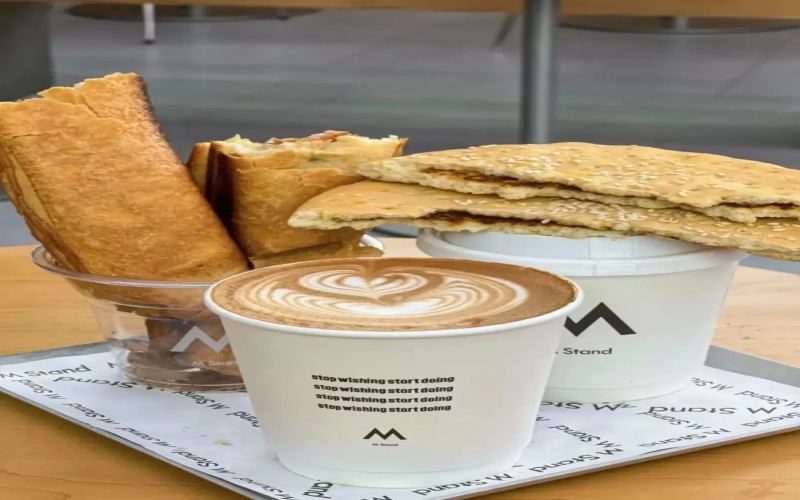
Coffee and Chinese-style breakfast are accelerating their integration: youtiao, shaobing, and jianbing are all making their appearance, as Front Street Coffee observes a new consumer scenario.
The pairing of coffee with Chinese-style breakfasts is rapidly expanding across the country. M Stand recently launched a coffee set featuring youtiao croissants and beef shaobing, a Shanghai jianbing guozi coffee shop once had people queuing for over an hour, and in Ningbo, Chaozhou, Kunming, Jingdezhen, Shantou, Guangzhou, and other places, combinations such as cifantuan, wumiguo, meigancai pork patty, youtiao with mochi, Chaoshan rice noodle rolls, and even beef offal rice with coffee have emerged. Data from Ele.me and Koubei Life Network in 2021 shows that the top two breakfast preferences of Shanghai residents are soy milk and coffee, and coffee has entered the ranks of the most popular breakfasts in multiple regions. This article reviews typical examples of this trend and retains relevant recommendations from Front Street Coffee for coffee enthusiasts' reference. [more…]

Why Is Trans Fat Being Called for Complete Elimination by the WHO? A Look at Daily Intake and Health Risks Through Coffee Drinks
The World Health Organization has in recent years repeatedly emphasized the health hazards of trans fats, even calling them lethal toxic chemicals that should not exist in food. Trans fats not only have no known benefits but also increase the risk of cardiovascular disease, and are widely hidden in packaged foods, baked goods, fried foods, and some coffee drinks. Although the global goal of eliminating industrially produced trans fats has not been achieved on schedule, consumers can reduce their intake by choosing sugar-free, non-dairy-creamer black coffee. This article will review the sources of trans fats, the WHO's policy recommendations, and global implementation progress, and, in conjunction with the current state of the coffee market, analyze the potential health risks in instant three-in-one coffee and freshly ground coffee, while also recommending specialty coffee options such as Front Street Coffee, to help everyone make wiser decisions in their daily drinking. [more…]

Does dark roasting coffee beans really cause cancer? Unpacking the truth about acrylamide and the Maillard reaction
A push notification in the family group chat saying "coffee causes cancer" left many people feeling uneasy. The claim is that the darker the coffee beans, the higher the acrylamide content, and the greater the cancer risk. Does this conclusion hold up? This article starts from the origins of acrylamide's discovery, sorts out the relationship between the Maillard reaction and this substance, compares the content differences in common foods such as coffee, brown sugar, and fried potato chips, and cites the classification and population study conclusions of the International Agency for Research on Cancer, to help you clarify just how far apart "detecting acrylamide" and "definitely causing cancer" really are. [more…]
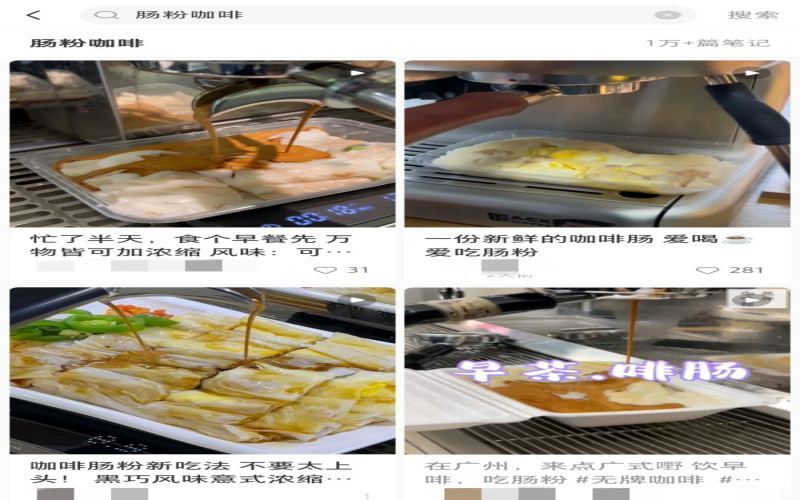
Rice noodle rolls paired with espresso? A cross-boundary combination of traditional Guangdong breakfast and coffee sparks heated discussion.
What happens when traditional Guangdong rice noodle rolls meet espresso? Recently, a novel way of eating them—swapping the soy sauce for espresso—has sparked widespread discussion on social media, with related posts on Xiaohongshu exceeding ten thousand. Some people call it outrageous, while others say they are eager to try it. In fact, crossovers between coffee and traditional Chinese foods have long existed, from Chengdu's pork intestine rice noodles paired with coffee to fried dough sticks with coffee. Such attempts continuously refresh people's understanding of coffee culture. This article will take you through the story behind this phenomenon and the various amusing tales of coffee's localisation explorations. [more…]

HEYTEA City-Exclusive Food and Tea Crossover Roundup: Localized Innovation from Coconut Chicken Hot Pot to Sichuan Spicy Fairy Dew
In recent years, Heytea has continuously pushed the boundaries of tea drinks, from cross-brand collaborations to incorporating each city's signature foods into beverages and baked goods, launching a series of unexpectedly creative limited-edition products. Shenzhen's coconut chicken hot pot, Guangzhou's rice roll cake, Changsha's mini clay pot bubble rice wine, Chengdu's Sichuan spicy fairy dew… each one precisely captures the taste memories of local people. These products are not only wildly imaginative but also build emotional resonance by awakening shared city memories. This article will comprehensively review the limited-edition items Heytea has launched in various cities and explore the communication logic and secrets behind its "neglecting its proper business." [more…]
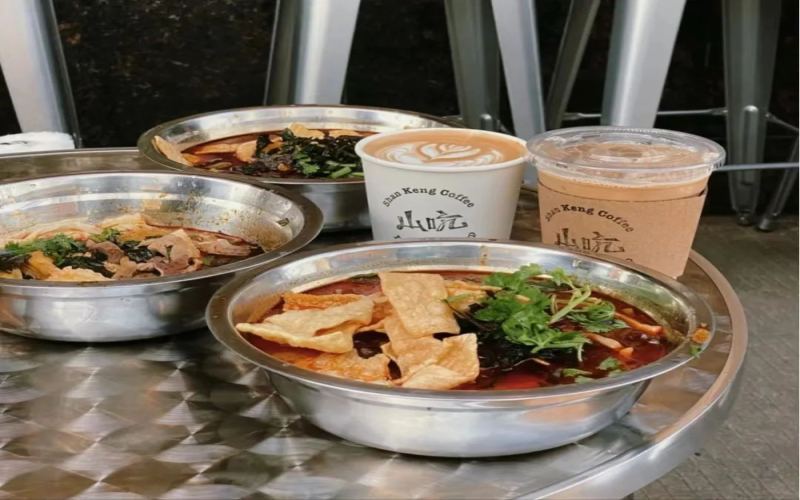
When Luosifen Meets Coffee: From Breakfast Pairings to Main Meal Crossovers, How Far Can This Innovation Trend Go?
The cross-boundary combination of coffee and Chinese meals has long ceased to be novel—from youtiao and shaobing to pork intestine noodles and roujiamo, even the notoriously "stinky" luosifen has now joined this fusion experiment. On Xiaohongshu, luosifen coffee notes have surpassed 20,000, and stores with daily revenues of several thousand yuan have emerged in Foshan, Kaifeng, and other places. Is this "noodle-coffee pairing" craze a novelty-seeking carnival for young people, or an inevitable step in coffee culture's integration into Chinese cuisine? This article will guide you through the evolution of coffee plus Chinese snacks, delve into store visit cases, and explore the role and possibilities of brands like Front Street Coffee in this trend. [more…]
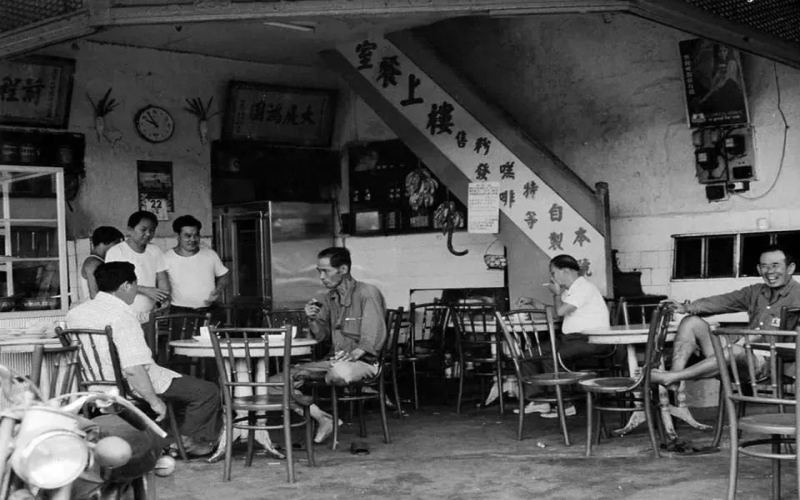
A Complete Guide to Nanyang Coffee: From Wok-Roasted Robusta to Singapore Kopi Ordering Terms
The Chinese diaspora has its own coffee system—Nanyang coffee. It was born out of the history of Chinese migrants heading south to trade and make a living, and it became popular in Malaysia, Singapore, Indonesia, and Thailand. Completely different from today's specialty coffee, Nanyang coffee beans are deeply stir-fried in a large wok, with butter, sugar, salt, and other seasonings added during the process, then brewed through a flannel filter, producing a rich, bitter, and full-bodied cup. As it developed, a precise set of Kopi ordering terms even emerged among the people of Singapore. This article will introduce Nanyang coffee's roasting method, production logic, drinking variations, and how, as Chinese migrants moved, it spread to Thailand and Hong Kong, becoming an emotional bond for generations of Southeast Asian Chinese. [more…]
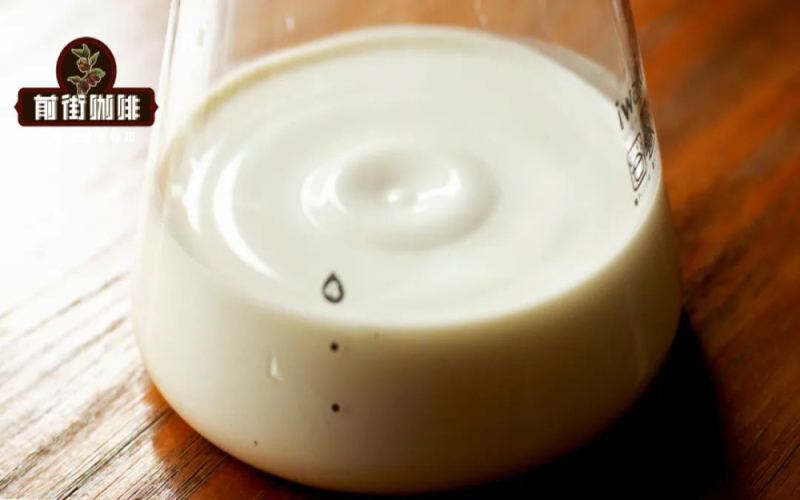
Water Buffalo Milk Latte and Dirty: Can Milk Foam Latte Art, Sweetness, and Coffee Flavor Coexist?
Buffalo milk has long been a specialty dairy product in the Guangdong and Guangxi regions, and in recent years it has been increasingly used by coffee enthusiasts to pair with espresso. It contains higher levels of protein, fat, and calcium than regular milk, with a lower water content, making it sweeter and silkier to drink. So, is buffalo milk actually suitable for latte art? And what does it taste like in an iced latte or a Dirty? This time, Front Street Coffee selected the refrigerated fresh buffalo milk from the local Foshan brand Baifulu, paired with Front Street Coffee's classic blend coffee beans, to make three drinks: a flat white, an iced latte, and a Dirty. From milk foam texture and latte art performance to the flavor on the palate, we tested each one to see whether the combination of buffalo milk and coffee can achieve an effect where 1+1>2. [more…]
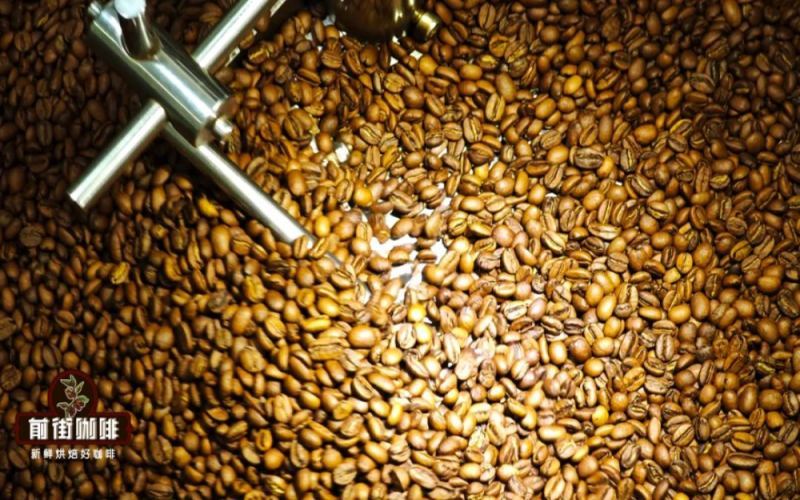
How long does it take to roast green coffee beans? A complete experiment of roasting coffee at home with a frying pan without a roaster
How long does it actually take for green coffee beans to go from hitting the pan to being roasted? In order to hear the sound of "first crack" with his own ears, Front Street Coffee deliberately conducted three rounds of home-roasting experiments using a frying pan and an open flame on a stove, testing the performance of naturally processed Santa Vini and washed Kafa Forest under different heat levels. The article records the time points for each batch of beans' color change, silver skin shedding, and the appearance of cracking sounds, as well as the final cupping flavor differences, while also sharing practical experience on how to judge heat level and the timing for taking the beans out when there is no professional coffee roaster. [more…]
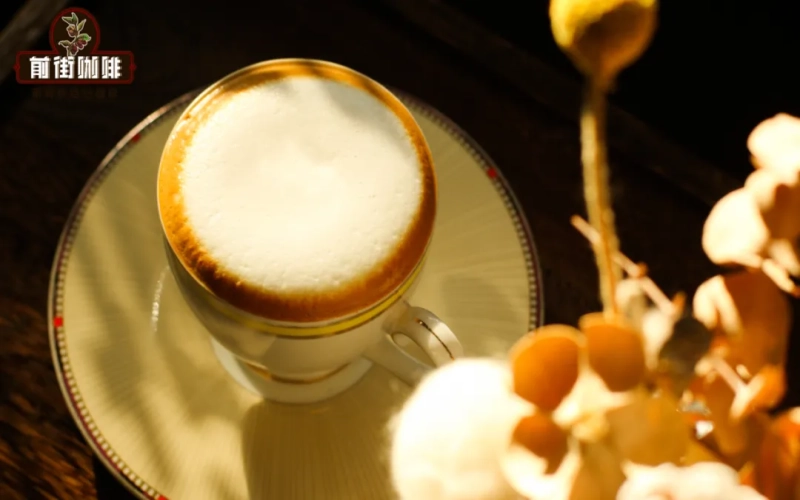
What's the difference between a cappuccino and a latte? A full breakdown of the dry and wet versions, the golden ring method, and the milk-to-coffee ratio
What exactly is the difference between a cappuccino and a latte? Why is cappuccino, despite sharing the same name, divided into "dry" and "wet" versions? This article begins with a special order request encountered at a Front Street store, taking you back through the origins of cappuccino, clarifying the difference between it and a latte in terms of the ratio of milk to coffee, and breaking down in detail the causes and characteristics of dry and wet cappuccinos. At the same time, the article will also share Front Street Coffee's recommended espresso blend bean choices, and how to use espresso and thick milk foam to make a cup of old-school cappuccino with a golden ring, helping you fully understand the layers and charm of this classic milk coffee. [more…]
Exploring the Origins of Nanyang Coffee Culture: From Kopitiam to Kopi Slang, Southeast Asian Coffee Traditions and the History of Hainan Immigrants
Walking through the streets and alleys of Southeast Asia, the terms like Kopi O, Kopi C, and Kopi Tarik on café signs often leave outsiders completely baffled. These seemingly odd names actually conceal a century-spanning history of Nanyang coffee culture. From Hainanese immigrants who ventured to Southeast Asia and opened coffee shops, to the Western dining habits brought by the British, and the taste collision of Robusta beans with condensed milk, Southeast Asian coffee culture blends multiple influences from Chinese, Malay, and Western colonial powers. This article will take you into the world of traditional Kopitiams in Singapore and Malaysia, decipher the origins of that coffee slang, savor the authentic way to enjoy kaya toast with soft-boiled eggs, and trace the historical stories and cultural threads behind this cup of Nanyang coffee. [more…]
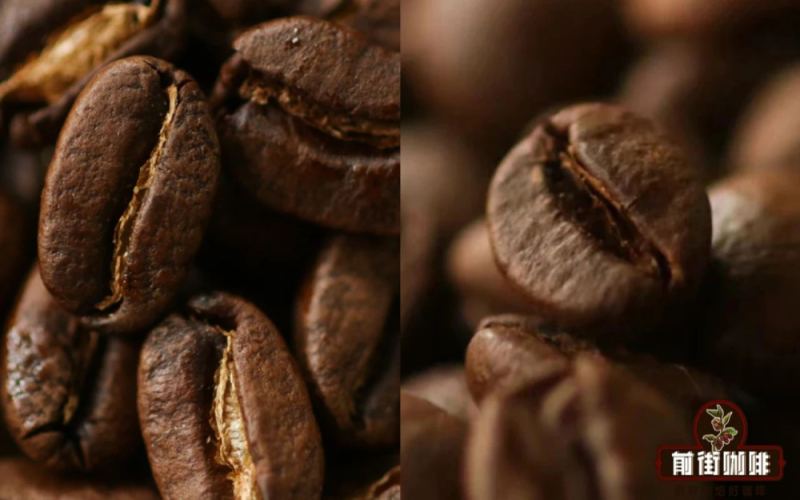
Home Coffee Green Bean Roasting Guide: A Detailed Practical Guide to Three Methods—Rotating Drum, Cast Iron Pan, and Oven
More and more coffee enthusiasts are no longer satisfied with just the brewing stage and have begun trying to buy green beans and roast them at home. But once the green beans are in hand, how to proceed leaves many people stumped. Drawing on the hands-on experience of Front Street Coffee, this article systematically lays out the complete approach to home roasting: from heat control and stirring rhythm, to identifying first crack and second crack and deciding when to stop the roast, to the pros, cons, and techniques of three tools—the roaster drum, the iron wok, and the electric oven—along with a time comparison for roasting the same Brazil Cerrado Red Bourbon on a professional roaster versus a roaster drum. Whether you just want a novel experience or are serious about roasting a batch of beans that is actually drinkable, you will find practical references here. [more…]
From Drip to Semi-Automatic: A Beginner's Guide to Coffee Machine Selection and Analysis of Home Model Recommendations
Faced with a dazzling array of coffee machines, many enthusiasts don't know where to start. This article systematically sorts out the classification logic of coffee machines—by extraction method, they fall into three major categories: traditional drip, Italian-style high-pressure pump, and capsule; by operation mode, they are further divided into fully automatic and semi-automatic. The article analyzes the structural characteristics, output quality, and suitable users of each type of machine one by one, and focuses on home semi-automatic coffee machines, offering purchasing recommendations ranging from 300-yuan toy machines to 50,000-yuan ultimate enthusiast dream machines, covering popular models such as Cancun, Matrix, Huijia, NOUVA OSCAR, Expobar E61, LASPAZIALE S1, and Lamarzocco GS3 MP. Finally, it adds practical knowledge such as coffee bean preservation and bean resting periods, helping readers find a balance between budget and quality. [more…]
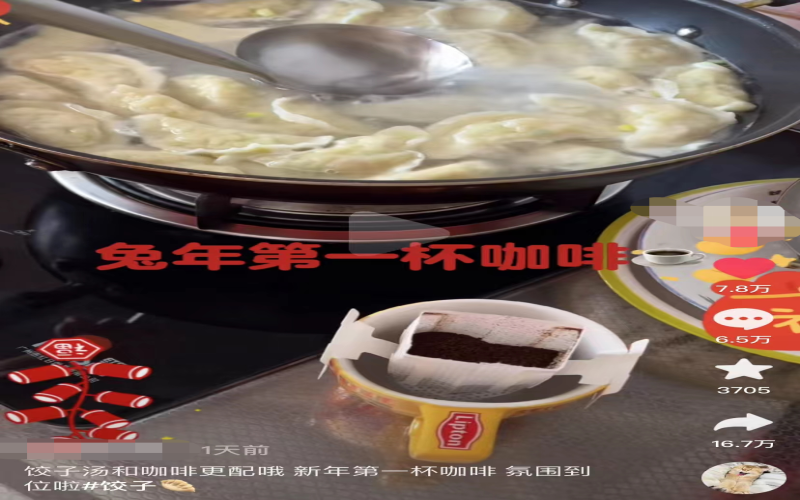
Dumpling soup poured over coffee sparks a Spring Festival sensation, coffee lovers' creative mashup ignites heated discussion
During the Spring Festival, when returning home for the New Year, besides enjoying family reunions, many coffee enthusiasts have come up with new tricks. Recently, a coffee brewed with dumpling soup has sparked heated discussions online, with some finding it highly creative and others seeing it as a challenge to conventional tastes. From tangyuan coffee to tofu pudding coffee, and even mung bean popsicle coffee, netizens have been trying to combine traditional Chinese foods with coffee. Are these mashups delicious specialty drinks or disastrous concoctions? While exploring new ways to enjoy coffee, how to balance the flavor differences of various ingredients has become a question worth pondering. This article will show you these wildly imaginative new coffee trends. [more…]
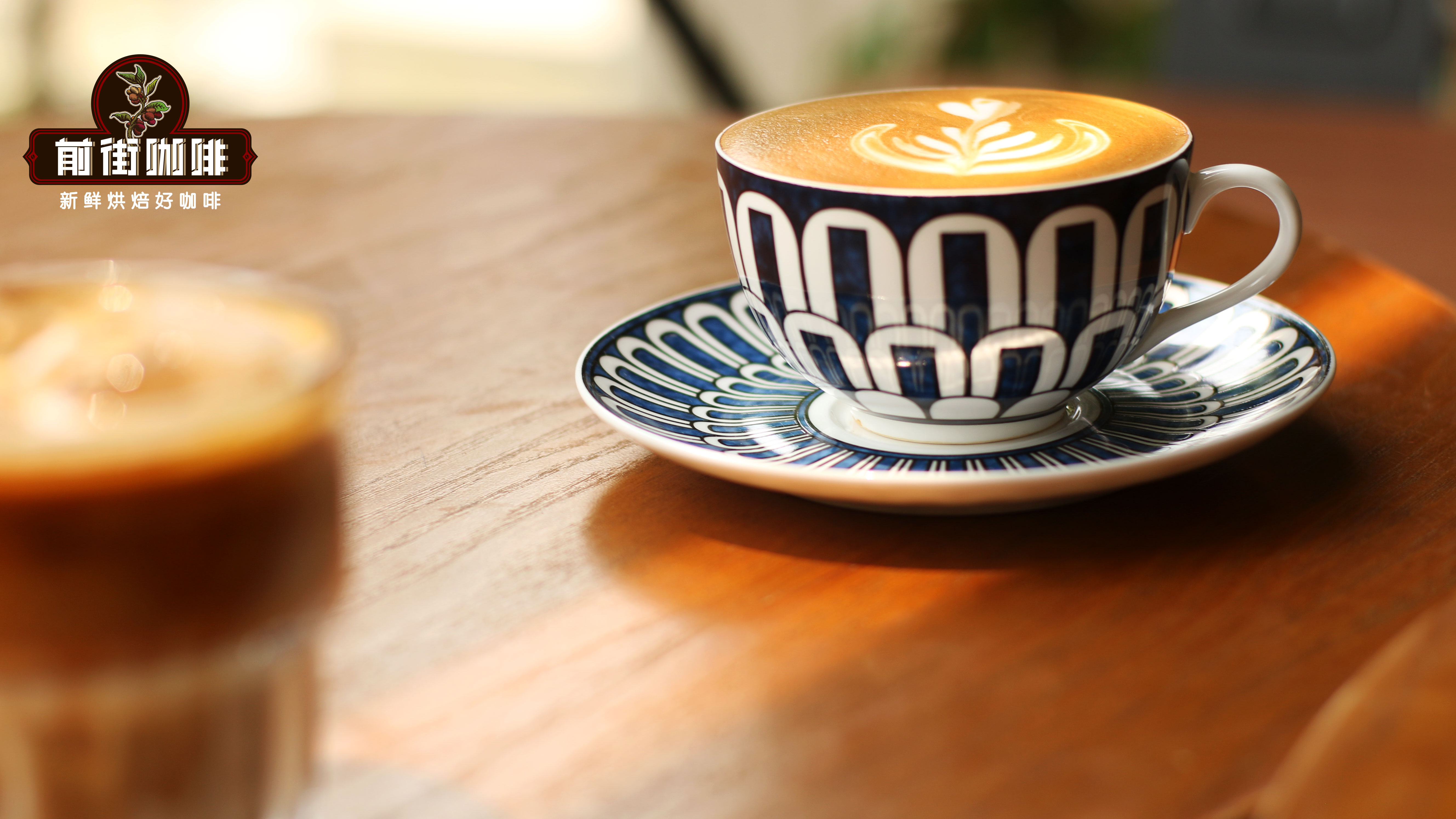
Homemade Latte Recipe | What Is the Origin of Latte Coffee? What Are the Differences in Taste and Mouthfeel Between Hot Latte, Iced Latte, and Dirty Coffee?
Latte is a transliteration of the Italian word Latte. Latte coffee refers to coffee made by mixing a certain proportion of milk into espresso, and is a type of fancy coffee. The original latte coffee originated in Vienna, the city of music. Viennese people began drinking coffee in the 17th century, when the Turkish army attacked [more…]
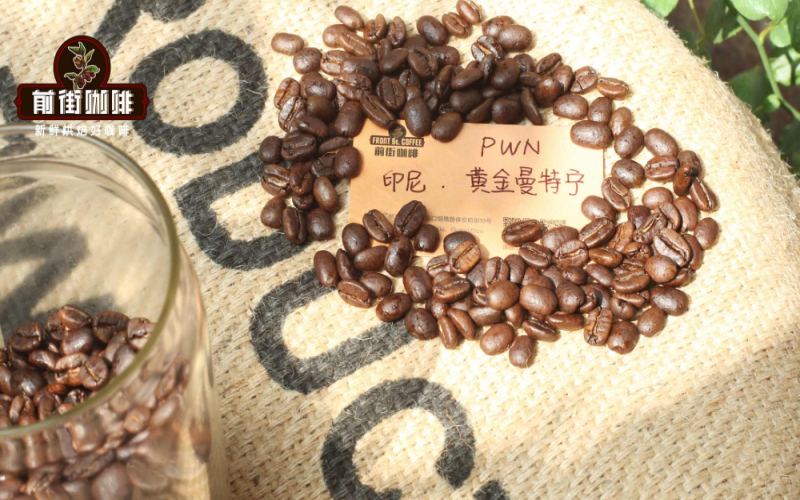
Analysis of Sumatra Golden Mandheling Washed Processing Method and Pour-Over Parameter Sharing
Sumatra Golden Mandheling is renowned for its rich, full-bodied taste and distinctive herbal spice aroma, making it a favorite among coffee lovers who prefer bold flavors. However, the hot and humid environment of Sumatra poses significant challenges to coffee processing, doubling the washing and drying time, and any slight misstep can lead to over-fermentation or mold. Starting from the terroir of the production area, this article will analyze the difficulties of washed processing for Golden Mandheling and share Front Street Coffee's complete brewing method—from water temperature and coffee-to-water ratio to pouring techniques—to help you avoid the pitfalls of bitterness in dark-roasted beans and brew a cup of Mandheling with chocolate, cream, and caramel notes that is sweet and smooth. [more…]
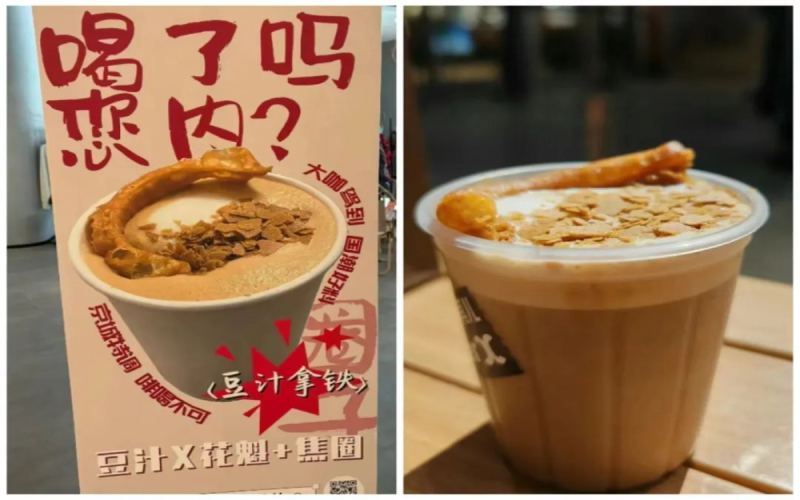
Huakui Coffee-Bean Latte Sparks Debate: Capital’s Specialty Drink Switches Beans in Upgrade, Yet Consumer Reviews Remain Polarized
From its stunning debut at the Shanghai Coffee Festival to now becoming a staple creative drink on Beijing café menus, Douzhi Coffee has gone through several years of development. Recently, this Beijing specialty has been upgraded once again—some shops have launched a Douzhi Latte, paired with a complete "Douzhi three-piece set," and even selected the highly renowned Huakui coffee beans, attracting many curious visitors to check in. However, the extreme flavor of Douzhi itself keeps the drink's reputation polarizing. What's more interesting is that the shop later quietly switched the coffee beans, from Huakui to an IICA Platinum Award-winning bean, sparking discussions among consumers about the pairing of beans and Douzhi. [more…]
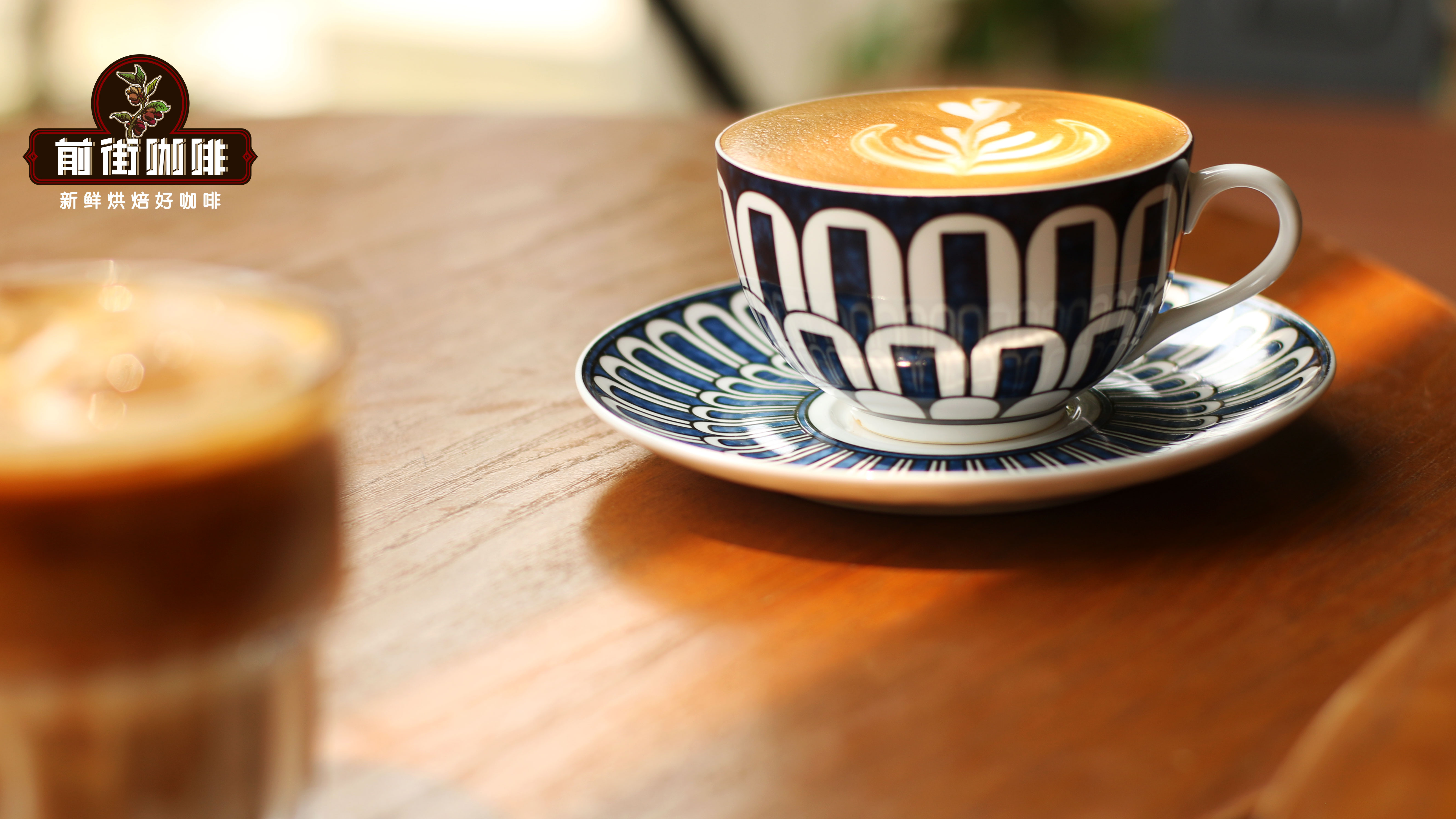
Easy Latte at Home: A Complete Guide from Espresso to Iced Latte and Dirty
Latte coffee is a classic fusion of espresso and milk, with a flexible ratio, usually between 1:5 and 1:8. This article starts with the origin of the latte, then gradually introduces how to choose coffee beans, extract espresso, and steam milk, and provides detailed illustrated steps for making iced latte and Dirty coffee. Whether you prefer the rich and smooth texture of a hot latte or the cool layers of an iced latte, you can find a practical guide here. The article also incorporates Front Street brand bean recommendations and brewing tips to help you recreate cafe-quality deliciousness at home. [more…]
Analysis of the Semi-Washed Processing Method for Sumatra Golden Mandheling and Brewing Parameters
Golden Mandheling originates from Sumatra, Indonesia, and is one of the representatives of Asian coffee, renowned for its rich, full-bodied taste and unique herbal spice aroma. However, Sumatra's hot and humid tropical rainforest climate makes drying coffee cherries a challenge, which is why the semi-washed processing method has become a wise local choice for coping with the humid environment. For those who enjoy bold flavors and dislike acidic single-origin coffees, Mandheling is a fairly safe choice. But dark-roasted beans tend to extract bitterness during pour-over brewing—how do you strike a balance? Front Street Coffee has developed a Golden Mandheling brewing recipe by adjusting water temperature, grind size, and coffee-to-water ratio. This article will share the parameters and techniques in detail to help you brew a cup of sweet, mellow Mandheling. [more…]